Service_1
Kitchen Tiling

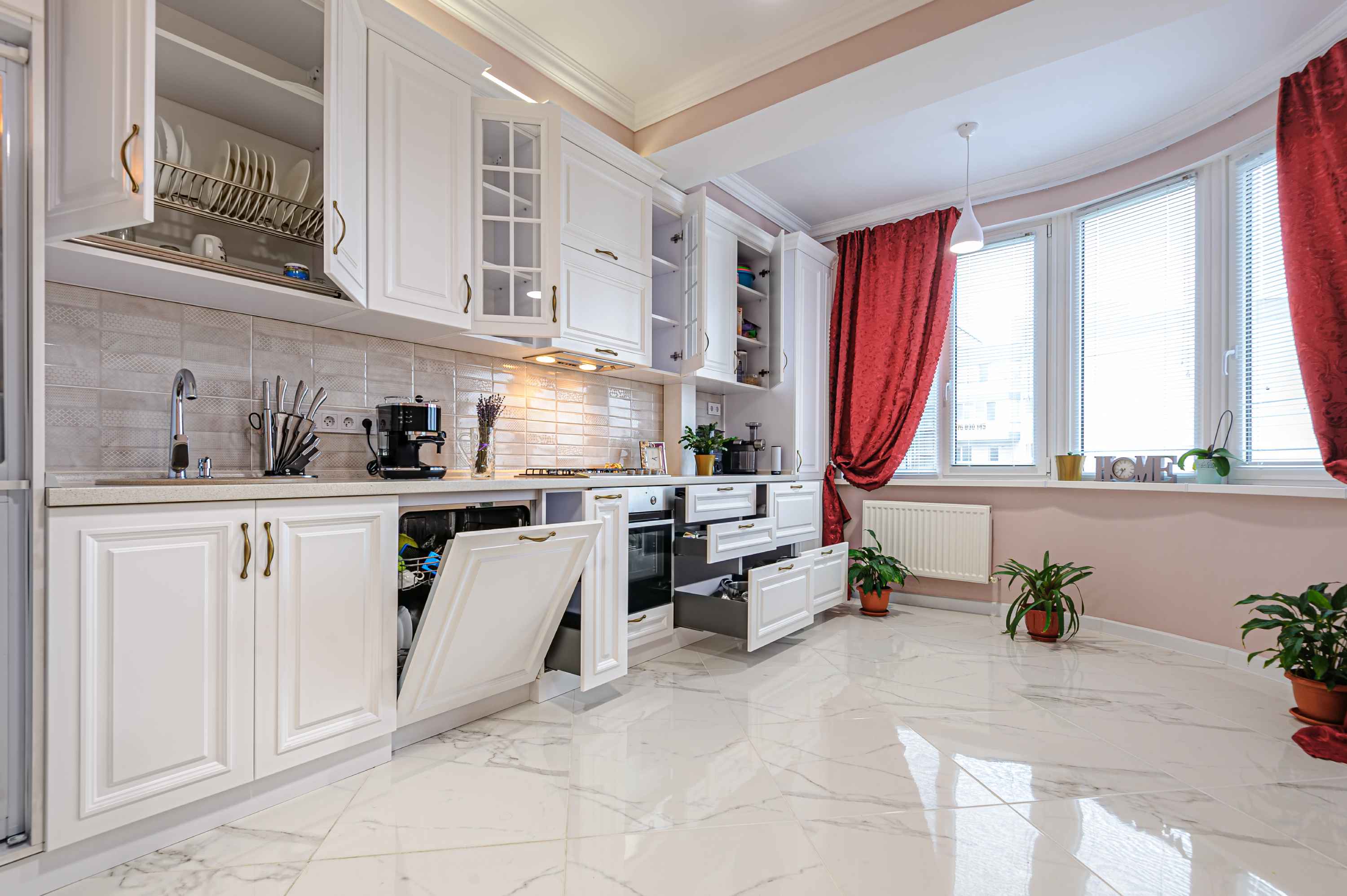
Kitchen tiling is an essential aspect of modern kitchen design, combining functionality with aesthetic appeal. It serves as a foundation for the overall look and feel of the space, influencing the ambiance and style. The choice of tiles can dramatically affect the kitchen’s atmosphere, creating a warm and inviting environment or a sleek and contemporary setting. Homeowners often consider various factors, including color, texture, and material, to ensure that the tiles complement the kitchen’s design theme while meeting practical requirements.

When selecting tiles for kitchen applications, durability and maintenance are critical considerations. Given the kitchen's role as a high-traffic area prone to spills and stains, tiles must be resilient and easy to clean. Ceramic and porcelain tiles are popular choices due to their water-resistant properties and durability. They can withstand heavy foot traffic and resist scratching, making them ideal for both floors and backsplashes. Additionally, these materials are available in a vast array of colors and designs, allowing homeowners to express their unique style.
The installation process for kitchen tiling requires precision and expertise to achieve a flawless finish. Proper preparation is crucial, starting with the selection of appropriate underlayment to provide a stable base. Professional installers assess the existing surface for any imperfections that need addressing before laying the tiles. This ensures a level surface that enhances the longevity and appearance of the tiling. The installation must also follow specific guidelines regarding spacing and grout application to avoid issues such as cracking or moisture infiltration over time.

A significant aspect of kitchen tiling is the design layout, which can transform the visual dynamics of the space. Various patterns, such as herringbone, diagonal, or straight lay, can add depth and interest to the kitchen. Homeowners may choose to create a focal point, such as a decorative backsplash behind the stove or sink, to enhance the kitchen's aesthetic appeal. Utilizing contrasting colors or textures can also highlight specific areas, making the kitchen more functional and visually engaging.

Service 2 Image
Bathroom Tiling

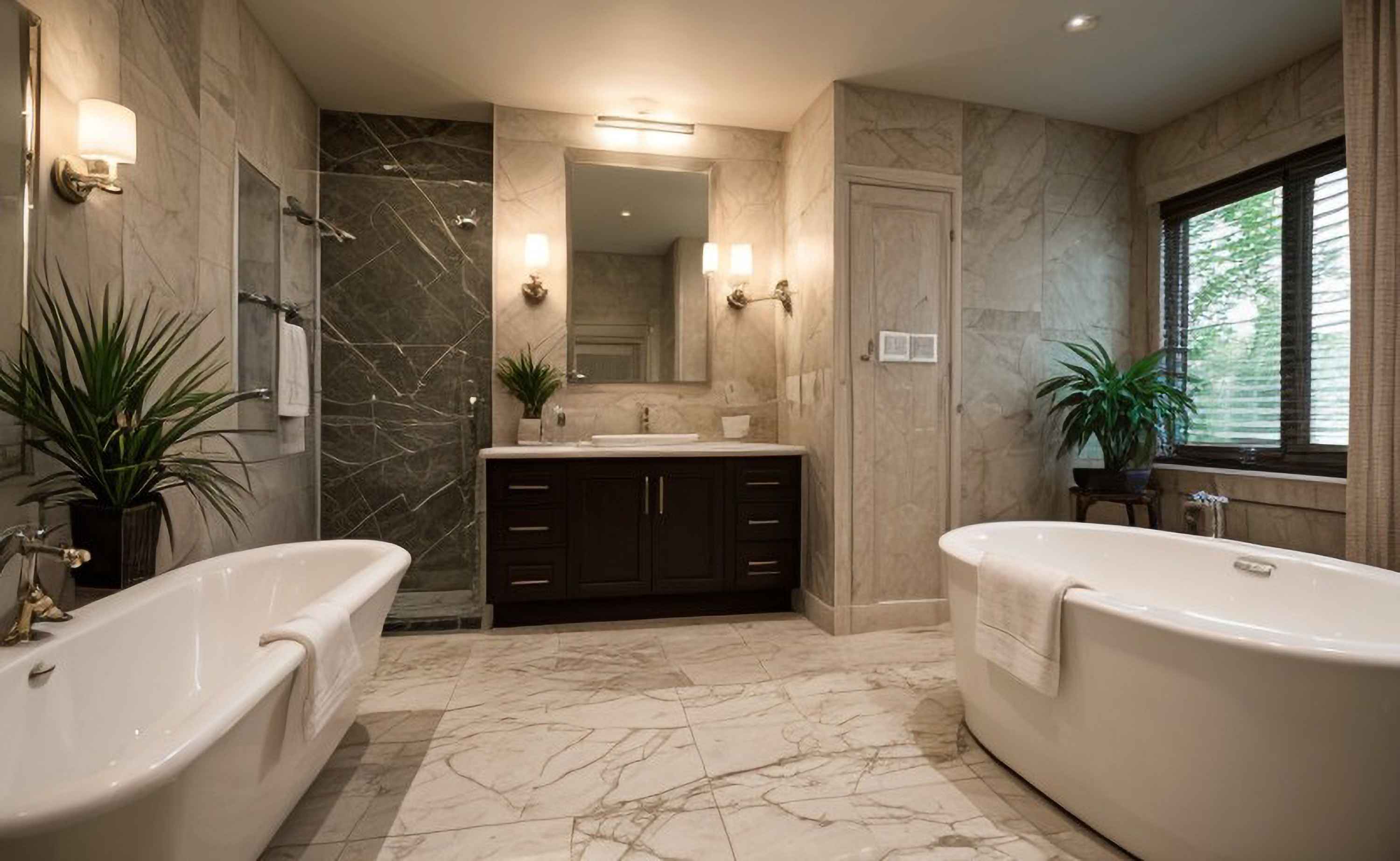
Bathroom tiling plays a crucial role in the overall design and functionality of a bathroom space. As one of the most utilized areas in a home, bathrooms require surfaces that are not only visually appealing but also capable of withstanding moisture and frequent use. The right tiles can enhance the ambiance of the bathroom, creating a serene and inviting atmosphere that contributes to a relaxing experience. From contemporary minimalist designs to ornate vintage styles, the options for bathroom tiles are vast, allowing homeowners to tailor their choices to their personal taste.

One of the primary benefits of bathroom tiling is its durability and resistance to water. Bathrooms are prone to humidity and splashes, making water-resistant materials essential. Ceramic and porcelain tiles are among the most popular choices for bathroom applications due to their ability to resist moisture and staining. These materials are available in numerous styles and finishes, enabling homeowners to achieve their desired aesthetic without compromising on practicality. Additionally, tiles can be treated with special coatings that enhance their water resistance and longevity, ensuring they maintain their beauty over time.

Installation is a key aspect of bathroom tiling that should not be overlooked. A professional installer can ensure that tiles are laid correctly, creating a seamless finish that enhances the room's overall appearance. Proper surface preparation is critical to prevent future issues such as cracking or water damage. This process often involves leveling the surface and applying suitable underlayment, which serves as a stable foundation for the tiles. The installer must also consider layout patterns, which can dramatically affect the visual dynamics of the space, such as creating the illusion of a larger area.

In terms of design, bathroom tiles offer endless possibilities. They can be utilized for both wall and floor applications, allowing homeowners to create cohesive and harmonious designs. Popular choices for floor tiles include larger format tiles that reduce grout lines and create a cleaner look, while wall tiles can be smaller, adding texture and visual interest. The use of color, pattern, and texture can help define different areas within the bathroom, such as a focal point around the vanity or a serene backdrop in the shower area. Unique patterns, such as chevron or mosaic designs, can add an artistic flair that transforms the bathroom into a personal oasis.

Service_3
Floor Tiling

Floor tiling is a significant element of interior design, serving both aesthetic and functional purposes in various spaces. With its ability to enhance the visual appeal of a room, floor tiling transforms ordinary areas into stunning environments. The diverse range of materials, colors, patterns, and finishes available allows homeowners and designers to create unique looks that align with their style and the overall theme of the property. From sleek modern spaces to cozy rustic designs, floor tiles can accommodate a wide variety of tastes and preferences.

Durability is one of the standout advantages of floor tiling. Tiles are engineered to withstand heavy foot traffic, making them ideal for high-use areas such as kitchens, living rooms, and hallways. Materials like ceramic, porcelain, and stone offer exceptional strength and longevity, providing homeowners with surfaces that can endure the wear and tear of everyday life. This durability translates into a long-term investment, reducing the need for frequent replacements and repairs, which can be costly and disruptive.

The installation process of floor tiling is essential for achieving a polished and professional appearance. It requires precision and expertise to ensure that the tiles are laid correctly, maintaining uniform spacing and alignment. A well-prepared subfloor is critical to the success of the installation, as it provides a stable foundation for the tiles. Professional installers take care to address any imperfections in the subfloor, ensuring a level surface that enhances the overall finish. Attention to detail during installation also involves selecting the appropriate grout and sealants, which contribute to the durability and aesthetics of the tiled surface.

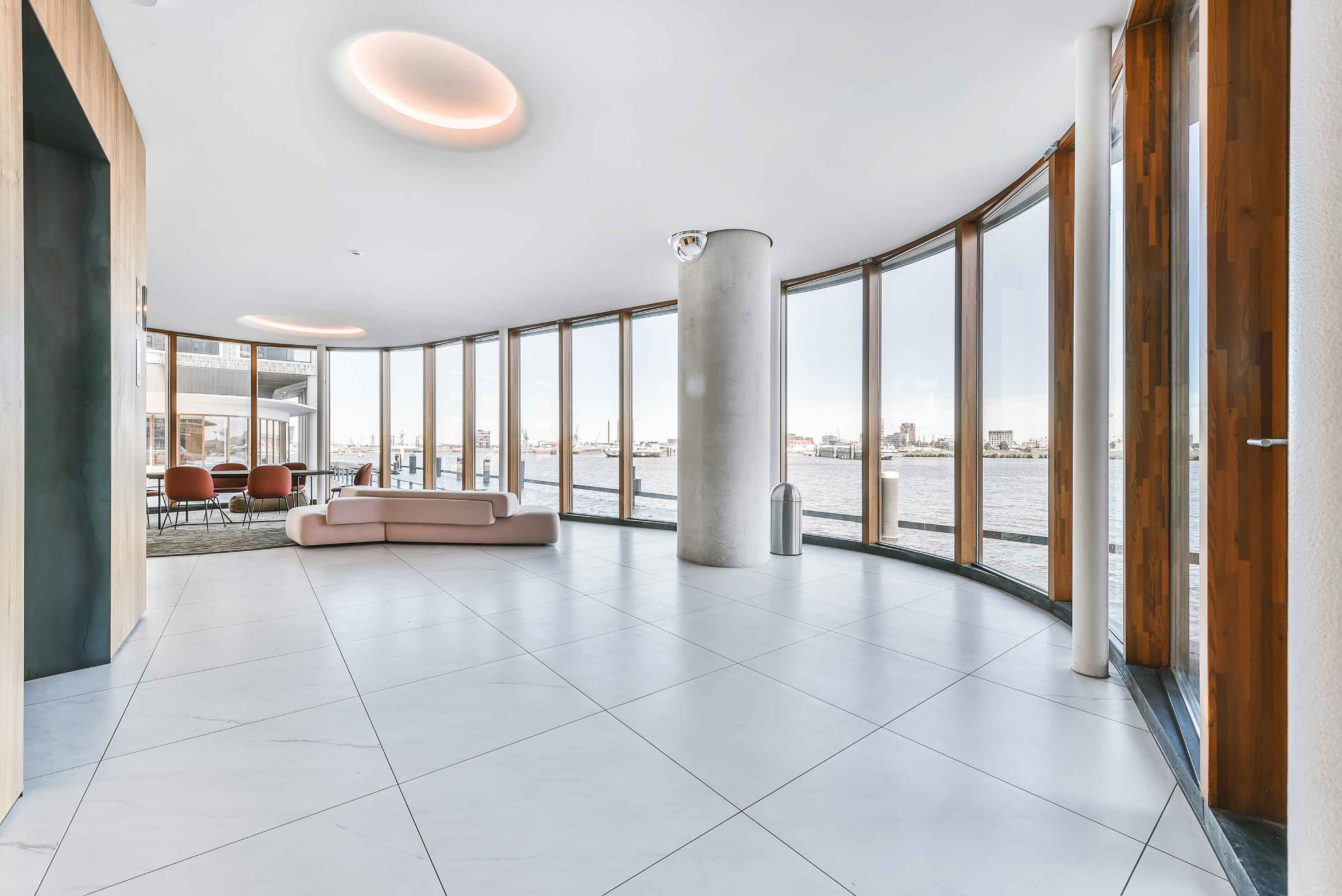
Design options for floor tiling are virtually limitless, offering the flexibility to create custom looks that reflect individual preferences. From classic subway tiles to intricate mosaics, the choices available allow for endless creativity. Homeowners can opt for large-format tiles to create an illusion of spaciousness or use smaller tiles for intricate designs and patterns. Color selection is equally important, as it can significantly impact the mood of a room. Lighter tiles can make spaces feel larger and more open, while darker hues can add warmth and intimacy.

Service_4
Commercial Tiling

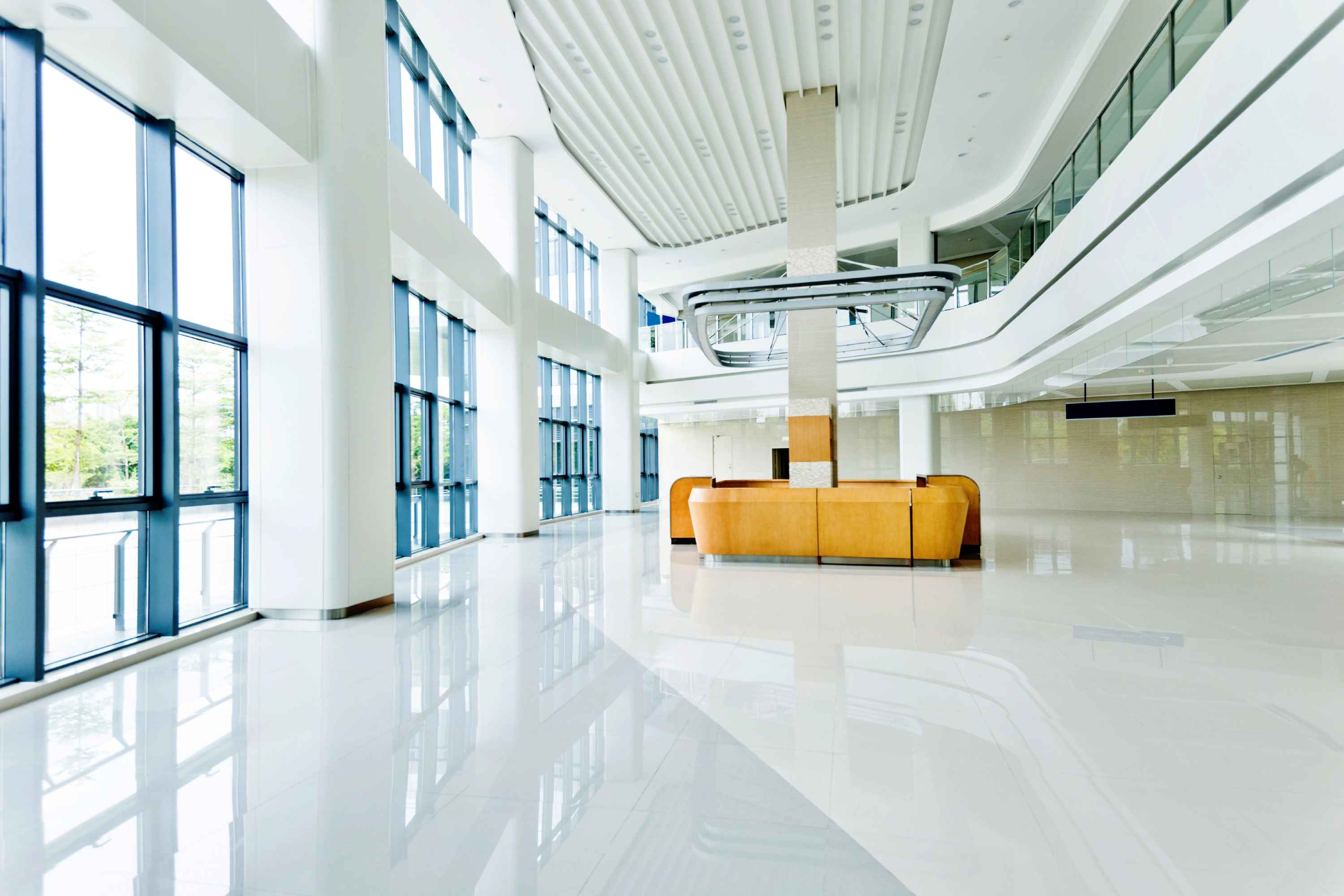
Commercial tiling is a specialized service designed to meet the demanding needs of businesses and high-traffic environments. It encompasses a range of applications, from retail spaces to offices, restaurants, and healthcare facilities. The primary objective of commercial tiling is to provide durable, functional, and aesthetically pleasing surfaces that can withstand significant wear and tear. As commercial properties experience heavy foot traffic and exposure to spills and stains, the choice of materials and installation techniques plays a crucial role in maintaining the integrity and appearance of these surfaces.

One of the key advantages of commercial tiling is its durability. Tiles made from ceramic, porcelain, or natural stone are specifically designed to endure the rigors of commercial use. They resist scratches, moisture, and stains, making them ideal for environments where cleanliness and longevity are paramount. The hard surface of tiles is not only easy to clean but also impervious to the types of damage that softer flooring options may suffer, such as dents or tears. This resilience ensures that businesses can maintain a polished look over time, reducing the need for frequent repairs or replacements.

The variety of design options available for commercial tiling allows businesses to create spaces that reflect their brand identity and enhance the customer experience. From sleek, modern designs in corporate offices to warm and inviting aesthetics in hospitality settings, the right choice of tiles can make a significant impact. Businesses can opt for bold colors and patterns that draw attention or choose more subdued options that promote a calm and professional atmosphere. Customization options, such as logo tiles or unique layouts, further enable businesses to reinforce their brand image.

Installation of commercial tiling requires a high level of expertise and precision. Professional installers are skilled in assessing the specific needs of commercial spaces, ensuring that the selected tiles are suitable for the environment. They consider factors such as the type of traffic the area will experience, the risk of moisture exposure, and the desired aesthetic effect. A well-executed installation not only enhances the appearance of the space but also ensures that the tiles perform optimally over time, reducing the likelihood of damage or failure.

Service_5
Residential Tiling

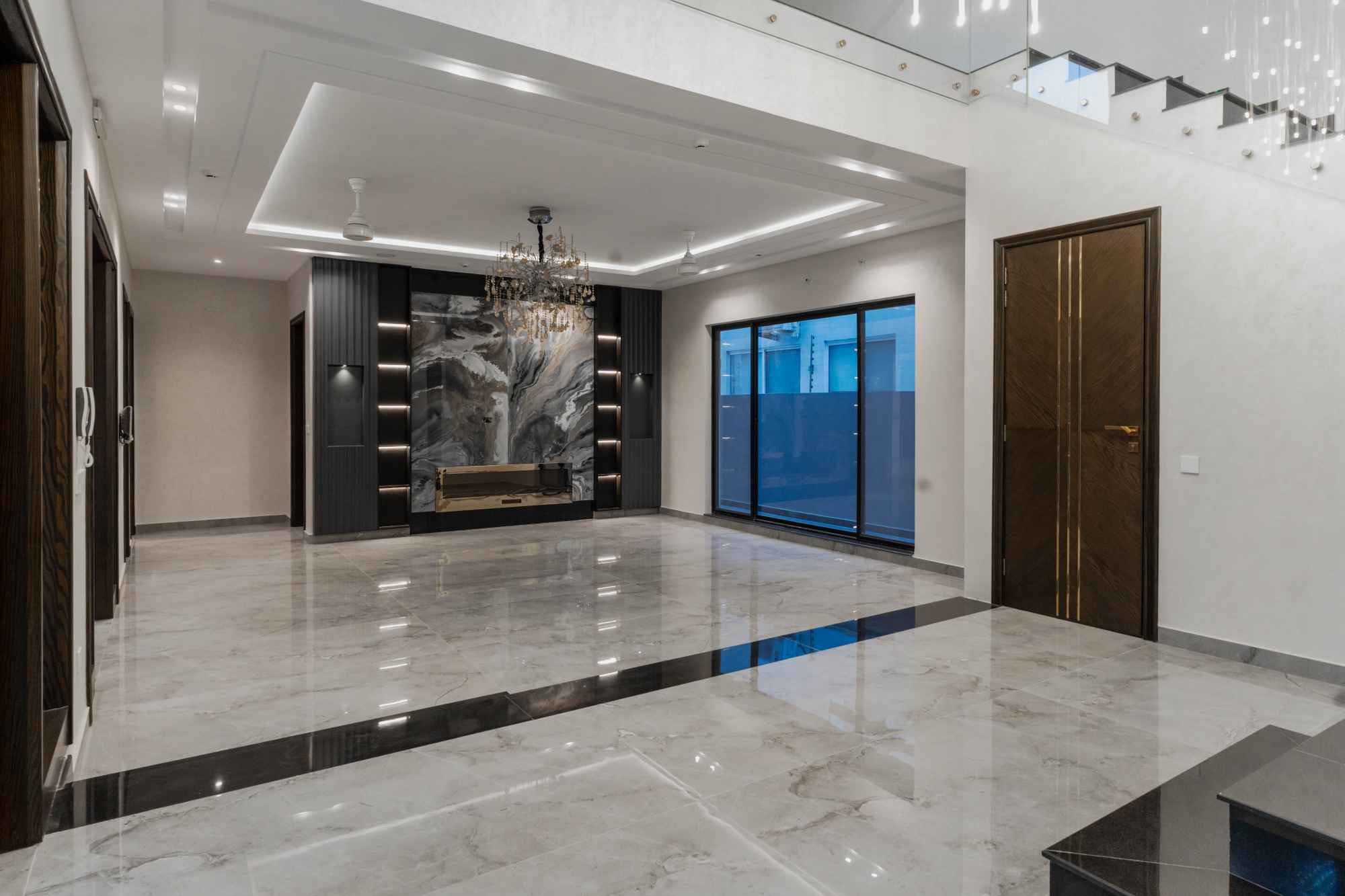
Residential tiling is an integral part of home design, providing a versatile and stylish solution for various living spaces. The use of tiles in homes spans multiple areas, including kitchens, bathrooms, living rooms, and entryways, each contributing to both the functionality and aesthetic appeal of the residence. Homeowners often choose tiles for their durability, ease of maintenance, and the myriad of design options available, making them a preferred flooring choice for many.

One of the primary benefits of residential tiling is its exceptional durability. Tiles are built to withstand daily wear and tear, making them ideal for high-traffic areas like hallways and family rooms. Materials such as ceramic, porcelain, and natural stone offer remarkable strength, resisting scratches, stains, and moisture. This durability ensures that homeowners can enjoy their tiled surfaces for years without worrying about significant damage or the need for frequent repairs, which can be a common concern with other flooring types.

The versatility of residential tiling extends beyond just durability; it also encompasses an extensive range of styles, colors, and textures. Homeowners can select from a plethora of options to create a customized look that complements their personal style and the overall theme of their home. Whether opting for sleek, modern designs or classic, rustic looks, tiles can enhance the character of a room. The ability to mix and match different tile types, such as pairing decorative wall tiles with simple floor tiles, allows for creative expression and unique interior designs.

The installation of residential tiles is a critical step that requires careful planning and professional expertise. Proper installation ensures that tiles are laid evenly and securely, which is essential for both the appearance and longevity of the surface. A professional installer will assess the space, prepare the subfloor, and choose the right adhesives and grouts to ensure a flawless finish. They can also help homeowners select the best tile layout, taking into account factors such as light direction and room size to create a visually pleasing arrangement.

Service_6
Outdoor Tiling

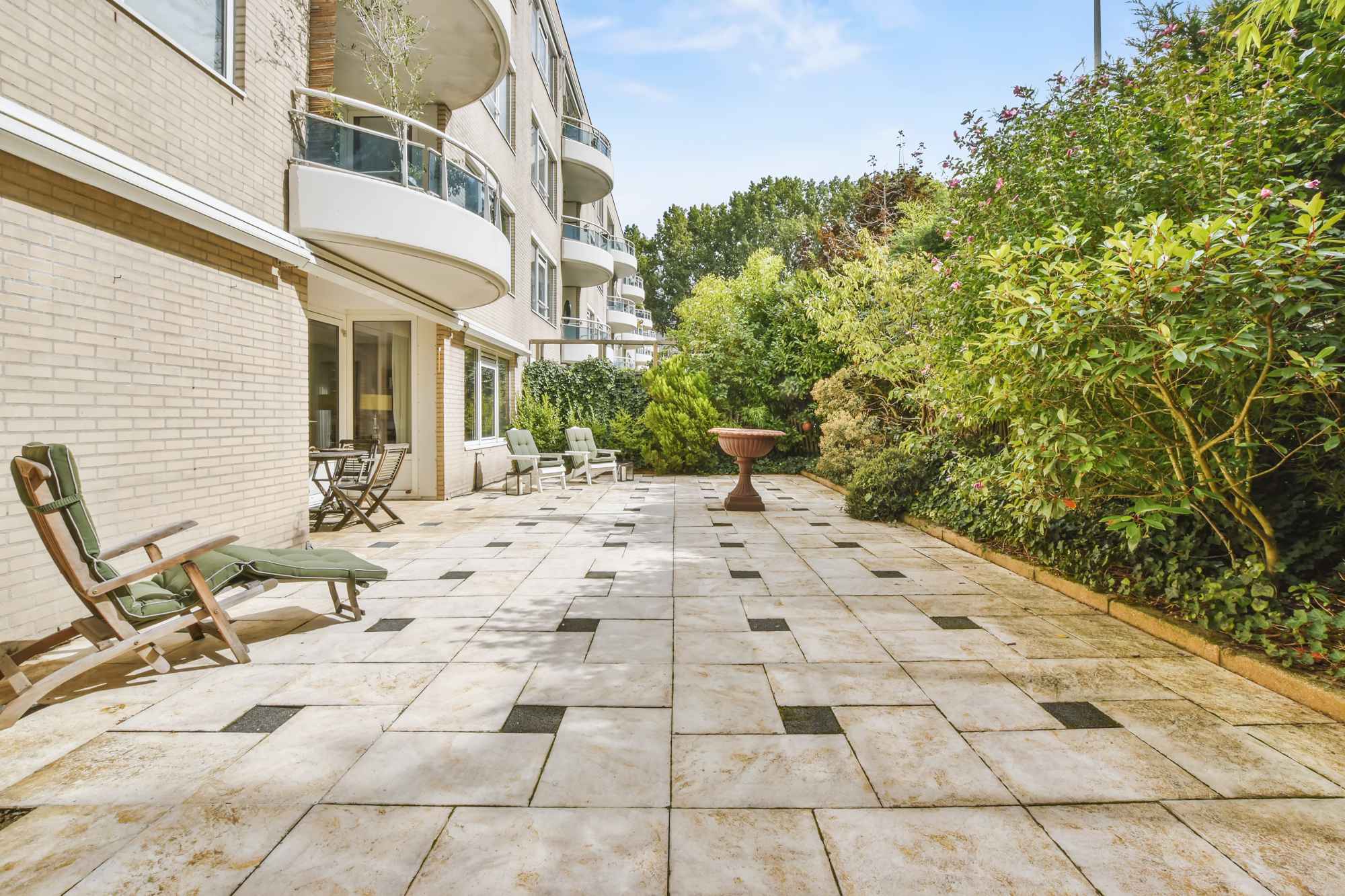
Outdoor tiling serves as a crucial element in enhancing the functionality and aesthetic appeal of exterior spaces. Whether for patios, walkways, pool areas, or outdoor kitchens, tiles provide a durable surface that withstands the elements while offering numerous design possibilities. The selection of outdoor tiles is particularly important, as they need to resist moisture, temperature fluctuations, and the wear caused by foot traffic, making them an ideal choice for a variety of outdoor applications.

One of the most significant benefits of outdoor tiling is its durability. High-quality outdoor tiles, often made from porcelain, ceramic, or natural stone, are designed to endure harsh weather conditions, including rain, sun, and frost. These materials are less likely to crack or fade, ensuring that the outdoor surfaces maintain their beauty and functionality over time. This resilience translates into a long-term investment, as homeowners can enjoy their outdoor areas without the need for frequent repairs or replacements.

In addition to durability, outdoor tiles offer versatility in design. Homeowners can select from a wide range of styles, colors, and textures to create inviting outdoor spaces that complement the architecture of their home and their personal style. For example, rustic stone tiles can create a natural, earthy look, while sleek porcelain tiles can offer a contemporary feel. The ability to mix and match tile patterns and colors allows for creativity, enabling homeowners to design unique spaces that reflect their tastes.

Installation is a critical factor in the success of outdoor tiling. Proper preparation of the substrate is essential to ensure a stable and level surface that will support the tiles. Professional installers consider factors such as drainage and slope to prevent water pooling, which can lead to damage over time. A well-executed installation will not only enhance the appearance of the outdoor area but also ensure the longevity and performance of the tiles.